
Face Cleanser
For the second step follow oil cleansing with a water-based cleanser. Double cleansing is recommended by aestheticians and dermatologists and works to gently remove the oil residue and water-based impurities such as dirt and sweat which then reduces breakouts.
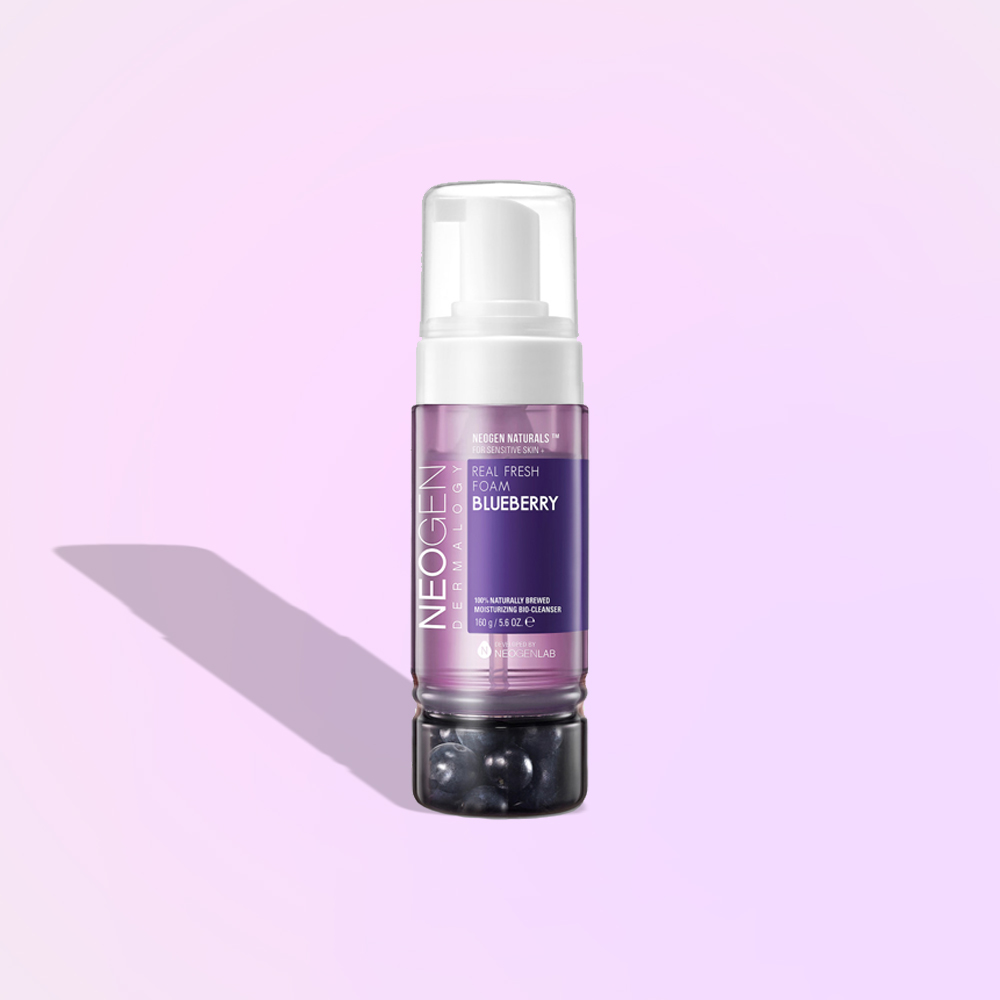
Showing 29–37 of 37 results


Showing 29–37 of 37 results
The water-based cleanser: the quiet hero step your skin notices
You can have the fanciest serum in your cart, but if your cleanse step is off, your whole routine can feel… wobbly. Like trying to paint a wall that’s still dusty.
That’s why the water based cleanser matters so much. It’s the daily reset that removes sweat, skincare residue, sunscreen leftovers, and the general “South African day” layer that builds up (traffic, heat, office aircon, gym sessions, you name it).
And here’s the mild contradiction: cleansing should feel thorough, but it should also feel boring. Boring is good. Boring means your barrier isn’t being bullied.
If you’re browsing this collection page, you’re probably in one of these camps:
- Your skin feels oily but also dehydrated (that shiny-yet-tight combo).
- You’re battling breakouts or texture, and you want a cleanser that supports the plan.
- You’ve started using actives, and suddenly your old cleanser feels too harsh.
- You just want something that works, ships fast, and doesn’t come with drama.
All valid. Let’s make choosing easier.
What a water cleanser actually does (and what it shouldn’t do)
A water cleanser is your water-based step. Think gels, foams, and creamy cleansers that rinse clean.
Its main job is to remove water-soluble stuff:
- sweat
- dirt and pollution
- leftover skincare from the night before
- residue after an oil cleanse
- light makeup (depending on formula)
What it shouldn’t do is leave your face feeling tight, squeaky, or “stripped”. That tight feeling isn’t “clean”. It’s your skin going, “Oi, where’s my barrier?”
K-beauty and J-beauty routines tend to treat cleansing like a comfort step, not a punishment. That’s why you’ll see “low pH” and “gentle” come up often.
Low pH, gentle, soothing: skincare buzzwords or actually useful?
Here’s the thing. Sometimes these words are marketing fluff. Sometimes they’re genuinely helpful.
- Low pH often means the cleanser is closer to your skin’s natural acidity. That can support the skin barrier and reduce that stripped feeling, especially if you’re acne-prone or using actives.
- Gentle usually means less aggressive surfactants, fewer irritants, and a calmer cleanse.
- Soothing points to ingredients that help reduce the “hot face” feeling: centella, green tea, calming plant extracts.
If you’ve ever used a cleanser that made your cheeks sting, you already know why this matters.
One more note, because it’s easy to miss: the “right” cleanser can change with the season. Summer in Joburg is not the same as winter in Cape Town. Your skin knows.
Texture talk: gel vs foam vs whip (because feel matters)
A lot of people pick cleansers based on texture first, then adjust from there. That’s not shallow, it’s practical.
Gel cleansers
Usually a good middle ground. They feel fresh, clean well, and suit many skin types, including combination.
Foaming cleansers
Can be brilliant for oilier skin, sweaty lifestyles, and those “I need my face to feel properly clean” days. The key is choosing a foam that doesn’t strip.
Whip cleansers
Often feel plush and cushiony. Great if you want a gentle cleanse that still feels satisfying, especially when you’re dry or sensitive.
If you’re a “cautious trier”, start with a texture you already like. It lowers the risk of buying something you won’t reach for.
Choose your cleanser like a strategist (but keep it simple)
This is the part where we bring in a bit of “routine planning” energy. The goal is matching your cleanser to your skin’s needs and your lifestyle, not just buying what’s trending.
If you want a water cleanser for oily skin
Look for a cleanser that cleans thoroughly, supports pores, and doesn’t trigger rebound oiliness by stripping you.
Start browsing this collection as your base: water cleanser for oily skin.
A couple of strong picks in this range:
- COSRX Salicylic Acid Daily Gentle Cleanser
Great when breakouts, clogged pores, and texture are the main issue. It’s a classic for a reason. - Pyunkang Yul Acne Facial Cleanser
A sensible option if you want acne support but still want your skin to feel calm, not stripped. - Pyunkang Yul Calming Acne Cleansing Foam
Useful when your skin is oily and reactive at the same time (because yes, that happens).
If you’re oily, you don’t need to “over-cleanse”. You need consistent cleansing, good hydration, and sunscreen that you actually wash off properly at night.
If you want a water cleanser for dry skin
Dry skin doesn’t need less cleansing. It needs kinder cleansing.
This collection link is your shortcut: water cleanser for dry skin.
Options that tend to suit a “keep it soft” approach:
- I’m From Rice Whip Facial Cleanser
If you want a plush cleanse that doesn’t feel harsh, this is the kind of texture that makes you look forward to washing your face. - íUNIK Centella Mild Cleansing Foam
A gentle option when your skin is sensitive, dry, or just not in the mood for anything intense. - Benton Deep Green Tea Cleansing Foam
Nice if you want soothing support without feeling like you’ve used a heavy cream cleanser.
And a quick reality check: if your skin is dry and you’re cleansing twice a day with a strong foam, that might be the root issue. Morning can be a lighter cleanse or even just a rinse, depending on your skin.
If you’ve got combination skin and want balance
Combination skin is basically your face living two different lives. Oily T-zone, normal-to-dry cheeks, and a routine that has to play referee.
If you’re searching for the holy grail phrase (we’ve all typed it), this link covers the collection: best korean water based cleanser for combination skin.
Look for “balanced” cleansers, often low pH, that rinse clean without leaving cheeks tight.
- COSRX low pH Good Morning Cleanser
A popular choice for combination skin because it cleans well but tends to feel gentler than many foams. - Pyunkang Yul Low pH Pore Deep Cleansing Foam
If you want that “clean pores” feeling but still want low pH support, this sits in a useful middle ground. - Heimish All Clean Green Foam
A fresh, clean feel that suits people who want thorough cleansing without turning their face into a desert.
“Natural” water-based cleansers: what does that even mean?
People often ask for a natural water based cleanser because they want fewer irritants, fewer harsh ingredients, and something that feels safer. That’s understandable.
But “natural” doesn’t always mean “gentle”. Some essential oils and plant extracts can irritate sensitive skin. So rather than chasing a label, focus on how your skin reacts and how your barrier behaves over 2 to 3 weeks.
If your skin feels calm, hydrated, and steady, you’re on the right track. If it feels tight, itchy, or red, your cleanser is probably too much.
Featured picks (a guided tour through the collection)
Let’s walk through the specific options you listed, with the kind of “who is this for?” context shoppers actually want.
For a plush, satisfying cleanse that still feels gentle
- Medicube PDRN Pink Niacinamide Whip Cleanser
The whip texture is a big draw here. If you like a cushiony cleanse and you’re also thinking about tone, post-blemish marks, or dullness, this fits that vibe. It’s the sort of cleanser that makes your routine feel a bit more premium, even when you’re half-asleep at the sink.
For the “keep it simple, keep it consistent” crowd
- COSRX low pH Good Morning Cleanser
A steady daily option, especially for combination skin and anyone trying to keep their barrier calm. - Pyunkang Yul Cleansing Foam
Straightforward cleansing. No fuss. Great if your routine needs a reliable anchor step.
For pores, oil, and breakouts (without going nuclear)
- COSRX Salicylic Acid Daily Gentle Cleanser
If you’re prone to clogged pores and you want daily cleansing support, this is a logical pick. - Pyunkang Yul Low pH Pore Deep Cleansing Foam
Good when you want pore-focused cleansing but still want that low pH angle. - Pyunkang Yul Acne Facial Cleanser
Helpful when breakouts are a routine priority and you want something designed around that concern. - Pyunkang Yul Calming Acne Cleansing Foam
A calmer alternative for acne-prone skin that’s also sensitive or easily irritated.
For redness, sensitivity, and “my skin gets annoyed easily”
- Mixsoon Centella Cleansing Foam
Centella is often a hero ingredient for soothing routines. This is a nice option if you want your cleanse step to feel less reactive. - íUNIK Centella Bubble Cleansing Foam
Bubble textures can feel gentle and quick. Great if you want a lighter cleanse that still feels thorough. - íUNIK Centella Mild Cleansing Foam
The “mild” clue matters. Good if you’re easing back into a routine after irritation.
Starter kits and routine support (for cautious triers)
- SOME BY MI Snail Truecica™ Miracle Repair Starter Kit
If you want structure, this is your lane. Starter kits work because they remove guesswork, and they’re a lower-risk way to see if a routine style suits you before you invest in full sizes.
And a small, useful add-on if you’re building a calm routine:
- Pyunkang Yul 100 mL Essence Toner Pouch Set
A toner step isn’t mandatory, but it can be the difference between “clean but tight” and “clean and comfortably hydrated”, especially if you’re using acne products or actives.
How to use a water-based cleanser (AM, PM, and the double cleanse question)
Let’s keep this real.
Morning
In the morning, your goal is to remove sweat and overnight skincare residue. If you’re oily, you might enjoy a proper cleanse. If you’re dry, a gentle cleanse or even a rinse can be enough.
Evening
At night, cleansing matters more. Sunscreen needs to come off properly. Makeup needs to come off properly. That’s where a water based cleanser shines as the second step.
Double cleanse
If you wore sunscreen or makeup, consider double cleansing: oil cleanser first, then your water cleanser. If you didn’t wear sunscreen and you weren’t sweaty, you might not need it every day. It’s a tool, not a rule.
Common mistakes (easy fixes, no lectures)
- Cleansing too long
More time isn’t always better. 20 to 40 seconds is plenty for most people. - Using hot water
Hot water feels nice, but it can worsen redness and dryness. Lukewarm wins. - Picking a cleanser that fights your actives
If you’re using acids, retinoids, or acne treatments, keep your cleanser gentle. Let the actives do the heavy lifting. - Skipping moisturiser after cleansing
Even oily skin needs hydration. Cleansing is step one, not the whole routine.
Quick FAQs
Can a water cleanser remove sunscreen?
Some can, but many people do better with a double cleanse at night. Sunscreen is designed to stick.
Do I need foam if I’m oily?
Not always. Gels and low pH cleansers can work brilliantly. The “best” option is the one that keeps your skin balanced.
What if my skin feels tight after cleansing?
That’s a sign your cleanser may be too stripping, or you’re cleansing too often, or your water is too hot (sometimes all three).
Browse the collection
If you want to scan everything in one place, start here: water cleanser.
If you’re choosing quickly, pick your skin type first, then choose a texture you’ll enjoy using every day. That’s how routines stick. And when routines stick, results tend to follow.