
cleansing oil for face
For the first step cleanse with an oil-based cleanser. In chemistry “like dissolves like”, so the oil-based cleanser works to remove oil based makeup, oil based impurities such as sebum, SPF and pollution.
Showing all 25 results
-

-
Price range: R435.00 through R615.00 inc. VAT Select options This product has multiple variants. The options may be chosen on the product page -
-
-
-
-
-
-
-
-
-
Price range: R190.00 through R330.00 inc. VAT Select options This product has multiple variants. The options may be chosen on the product page -
-
-
-
-
-
-
-
-
-
-
-
-
Price range: R150.00 through R365.00 inc. VAT Select options This product has multiple variants. The options may be chosen on the product page


![Front view of Hanskin Pore Cleansing Oil [PHA] Balancing & Mild formula in a clear pump bottle with its yellow branded box.](https://i0.wp.com/seouloftokyo.co.za/wp-content/uploads/2026/03/hanskin-pha-pore-cleansing-oil.jpg?fit=300%2C300&ssl=1)

Showing all 25 results
Cleansing Oil: the “start here” step that makes everything else work
If your skincare routine feels like it’s doing a lot… but not quite landing, the first thing I’d look at isn’t your serum. It’s your cleanse.
A good cleansing oil is one of those deceptively simple steps that changes the whole vibe of your skin. Makeup sits better. Sunscreen comes off properly. Your face feels clean without that tight, squeaky feeling that makes you want to drown yourself in moisturiser.
And yes, if you’ve got oily or acne-prone skin, you can still use oil. That sounds like a contradiction, right? But that’s also the point. Oil breaks down oil. It’s chemistry with a soft, glowy finish.
Let me explain, in normal-person terms.
So what does a cleansing oil do, exactly?
A facial oil cleanser works by dissolving the stuff that clings to your skin. Think:
- SPF (especially water-resistant formulas)
- Makeup, including mascara and long-wear foundation
- Sebum (your skin’s own oil)
- That “city layer” you pick up during the day: dust, pollution, grime
Water-based cleansers are great, but they can struggle to fully lift sunscreen and makeup on their own. That’s why a lot of people end up scrubbing. Or cleansing twice with the same foaming cleanser. Or using wipes (no judgement, we’ve all done it).
Oil cleansing is the calmer route. It melts things down first, then rinses clean when it emulsifies with water. No wrestling match with your skin.
Balm vs oil: which one should you choose?
Here’s the thing. “Oil cleansing” can mean a liquid oil or a balm. Both work. The best choice is the one you’ll actually use consistently.
Liquid oil
A liquid oil face cleanser is fast, smooth, and easy to massage in. It’s brilliant if you want slip and you like a longer, relaxing cleanse (the kind that turns into a mini face massage while you mentally unpack your day).
Balm cleanser
A balm starts solid and melts into an oil as you warm it up. It’s tidy, travel-friendly, and feels a bit more “spa night at home”. Also, balms can be a nice entry point if you’re nervous about oil because the texture feels controlled.
If you’re still on the fence, you can’t go wrong starting with a balm and then moving to a liquid oil later. Or do what most skincare lovers do: keep both, because moods change.
How to do oil face cleansing (without overthinking it)
Oil cleansing is simple, but the details matter. The goal is to melt, lift, emulsify, rinse. That’s it.
- Start with dry hands and a dry face.
- Massage your cleansing oil in for 30 to 60 seconds.
- Add a little water and keep massaging. It should turn milky (that’s emulsifying).
- Rinse well.
- Follow with your water-based cleanser (your “second cleanse”).
That second cleanse is the difference between “soft and clean” and “why do I feel a film?”. Not everyone needs a heavy foaming cleanser either. A gentle gel works fine for most people.
And yes, you can use this even if you don’t wear makeup. SPF alone is reason enough.
“But I’ve got oily skin…” and other very fair worries
Honestly, the fear makes sense. If you’re shiny by lunchtime, why would you add more oil?
But your skin’s oil is not the same as cleansing oil. When you use an oil face cleansing product that emulsifies properly, it rinses away with water, taking excess sebum and sunscreen with it. Many people find their skin actually feels more balanced because they stop stripping it with harsh cleansers.
If you’re prone to blackheads
Look for options that cleanse thoroughly but don’t feel heavy. Massage time helps here, too. Blackheads are basically compacted oil and dead skin. A consistent oil cleanse can support the “soften and lift” process over time.
If you’re sensitive
Gentle formulas and soothing extracts matter. Your technique matters too. Don’t scrub. Don’t use scorching hot water. Keep it calm.
If you’re dry or dehydrated
A balm can feel particularly comforting. You’ll still do a second cleanse, but you can keep that second cleanse mild and non-stripping.
Shop oil cleansers at Seoul of Tokyo (curated, authentic, delivered in SA)
If you want the “browseable” version: here’s the full oil cleansers collection. If you want the guided tour, keep reading.
I’m going to call out specific options and what they’re good for, without pretending there’s one magic product for everyone. Skin’s too moody for that.
The Banila Co. Clean It Zero family (balm icons for a reason)
Banila’s balms are famous for a reason: they melt makeup and SPF like it’s nothing, and they’re easy to use consistently. If you want one of those “why didn’t I do this sooner?” steps, this range can deliver that feeling.
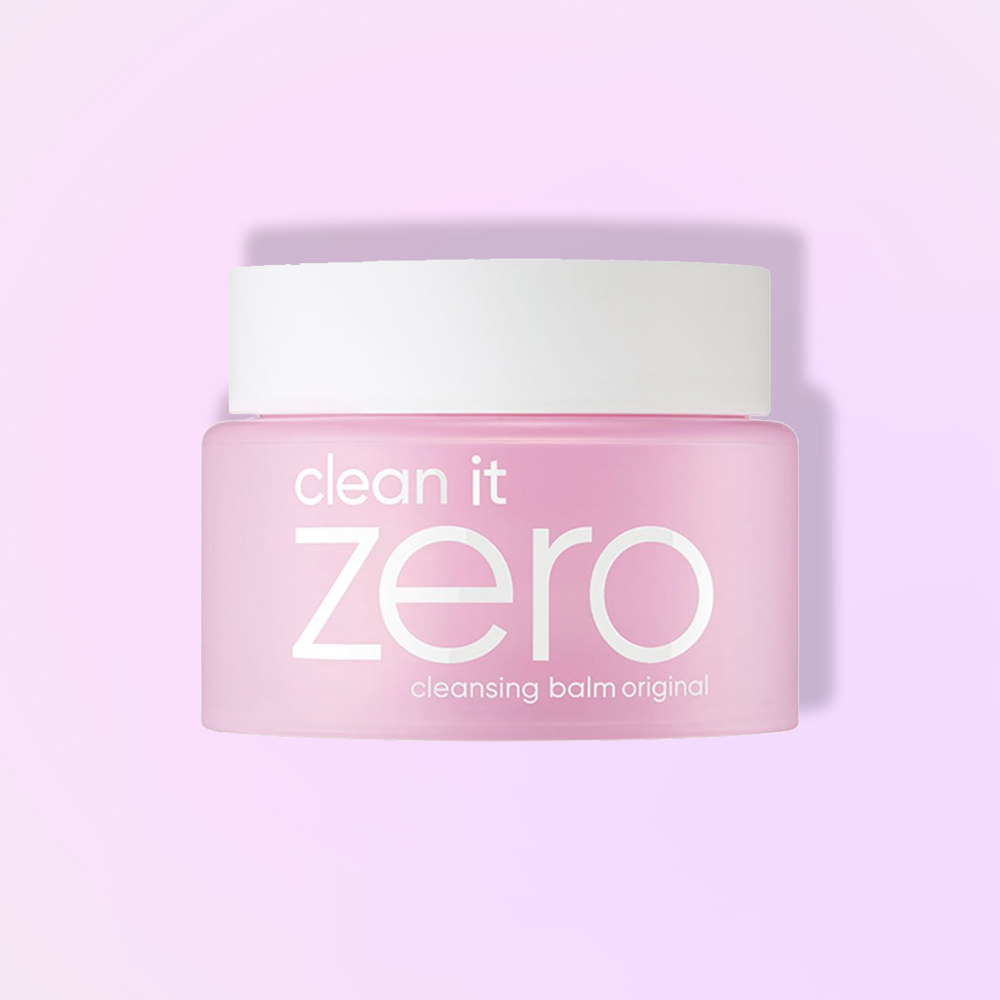
- Banila Co. Clean it Zero Cleansing Balm Original
The classic. A solid all-rounder if you’re new to balm cleansing and want a safe starting point. - Banila Co. Clean It Zero Cleansing Balm Purifying
A gentler angle for easily irritated skin types. Great when your barrier feels a bit dramatic. - Banila Co. Clean It Zero Pore Clarifying Cleansing Balm
A smart pick if congestion and visible pores are your main storyline. - Banila Co. Clean It Zero Cleansing Balm Revitalising
Nice when your skin looks tired or dull and you want your cleanse step to feel more “alive”. - Banila Co. Clean It Zero Cleansing Balm Nourishing
Comfort-first. If your skin leans dry, this is the kind of balm that makes cleansing feel less like a chore.
If you only buy one thing from this page? A Banila balm is a sensible bet. Not the only bet, but a sensible one.
Liquid cleansing oils: fast, thorough, and oddly satisfying
If you prefer the glide of a liquid oil, or you want something that rinses very clean, these are worth a look.
- Beauty of Joseon Ginseng Cleansing Oil
A lovely option if you want that classic K-beauty “clean but comfortable” finish. It feels refined, like skincare with manners. - Anua Heartleaf Pore Control Cleansing Oil
Heartleaf is a favourite for skin that gets irritated easily. If you’re oily, congested, but also sensitive (annoying combo), this one often fits. - Missha Super Off Cleansing Oil (Blackhead Off)
Built for the “my pores are doing the most” crowd. Ideal when blackheads and texture keep showing up. - SKIN1004 Madagascar Centella Light Cleansing Oil
Light, soothing, and a strong choice for people who want cleansing power without heaviness. - íUNIK Calendula Complete Cleansing Oil
A gentle-leaning option that suits routines where you’re trying to keep irritation low and calm high.
Targeted picks for blackheads and texture (because that’s the real villain)
You know what? Blackheads are stubborn. They don’t respond well to panic-cleansing or harsh scrubs. They respond to consistency.
A few picks that make sense if clogged pores are your ongoing project:
- celimax Fresh Blackhead Jojoba Cleansing Oil
Jojoba is a classic in oil cleansing conversations, and this one is positioned for blackhead-prone skin. - Haruharu Wonder Black Rice Moisture Deep Cleansing Oil
A deeper cleanse feel, but still comfortable. Great when you want effective removal without that stripped finish. - Mixsoon Bean Cleansing Oil
Mixsoon has that minimalist, ingredient-led vibe. This is for people who like their routines simple, but not basic.
If you’re dealing with blackheads, here’s a small but powerful tweak: spend your massage time where you clog (nose, chin, jaw). Be gentle, but be consistent.
Makeup-melting balms (for full glam, SPF, and long days)
If you wear heavier makeup, or you reapply sunscreen properly (gold star behaviour), you’ll appreciate balms that melt everything down without stinging.
- Heimish All Clean Balm
A cult favourite for a reason. It’s the kind of balm you can rely on when you’re tired and still need your face clean. - Haruharu Wonder Centella Sunflower Makeup-Melting Cleansing Balm
A great “makeup off, skin calm” option, especially if your skin gets reactive. - Numbuzin No.3 Pore & Makeup Cleansing Balm
A nice bridge between makeup removal and pore care, if you want both in one first cleanse step. - Pyunkang Yul Deep Clear Cleansing Balm
Clean, no-nonsense cleansing energy. Great if you like calm skincare that doesn’t shout. - COSRX Cica Smoothing Cleansing Balm
Cica is often loved by sensitive skin types. If your skin flushes easily, this is worth a look. - APLB Glutathione Niacinamide Cleansing Balm
If dullness and uneven tone are your main concerns, this one will feel on-theme for your routine.
What to pair after oil cleansing (the routine glue)
Oil cleansing is step one. But your routine doesn’t end at the sink, does it?
Second cleanse
Follow your oil cleansing step with a gentle water-based cleanser. If you’re acne-prone, choose a cleanser that cleans well but doesn’t leave you squeaky. If you’re dry, avoid aggressive foam.
Moisturiser
Once your skin is clean, you’ll get more out of your moisturiser. If your barrier is feeling fragile, go for something nourishing and steady.
A product like Beauty of Joseon Dynasty Cream can slot in nicely when you want a moisturiser step that feels comforting, especially after active-heavy routines.
And if you’re using a lighter routine but still want that “sealed in” comfort, Mixsoon Bean Cream is a clean pairing idea for people who like minimal, layered hydration.
SPF
If you’re doing oil cleansing because you wear sunscreen (as you should), the routine loop closes here. Cleanse well at night, protect well in the day. Simple, but it works.
Common oil cleansing slip-ups (and how to fix them)
A few tiny changes can stop most “oil cleansing didn’t work for me” stories.
- Using it on a wet face
Start dry. Water first can stop the oil from grabbing onto makeup and SPF properly. - Not emulsifying
Add water and massage until it turns milky. That’s the rinse-clean moment. - Skipping the second cleanse
Even if your oil face cleansing product rinses well, the second cleanse is your safety net. - Rushing the massage
30 seconds is better than 10. A minute is even better when you’re congested. - Going too hard around the eyes
Be gentle. Let the product do the work.
So… what’s the best cleansing oil?
I’ll be honest: “best” depends on your skin, your routine, and your tolerance for texture and scent.
But if you want a shortcut, think of it like this:
- Want a no-fuss all-rounder balm? Start with Banila Co. Clean it Zero Cleansing Balm Original.
- Want lighter, soothing cleansing? Try SKIN1004 Madagascar Centella Light Cleansing Oil or Anua Heartleaf Pore Control Cleansing Oil.
- Want blackhead support? Look at celimax Fresh Blackhead Jojoba Cleansing Oil or Missha Super Off Cleansing Oil (Blackhead Off).
- Want makeup to melt fast, with less effort? Heimish All Clean Balm is a crowd-pleaser.
And if you’re hunting outside of this page for barrier-focused support, some people also compare options when searching for the best cleansing oil alongside ceramide-heavy routines. That “cleanse + barrier rebuild” pairing can be a game changer if your skin is feeling touchy.
FAQs (because someone’s definitely wondering)
Will oil cleansing cause breakouts?
It shouldn’t, if you: emulsify, rinse, and follow with a second cleanse. Breakouts usually come from residue, over-rubbing, or using a routine that’s too heavy overall.
Can I oil cleanse if I don’t wear makeup?
Yes. Sunscreen, sebum, and daily grime still build up. A cleansing oil is still useful.
How often should I do it?
Most people do it nightly. Morning is optional and depends on your skin. If you’re oily, a gentle morning cleanse can work. If you’re dry, you might just rinse and moisturise.
Is balm better than liquid oil?
Not “better”. Different feel, same job. Balm is tidy and comforting. Oil is quick and glides easily. Choose what you’ll use.
Ready to pick yours?
If you want to browse everything in one place, the full cleansing oil collection is right here.
Start simple. Stay consistent. And give it a week or two before you judge it. Oil cleansing isn’t flashy, but it’s the kind of routine step that quietly makes the rest of your skincare behave.