
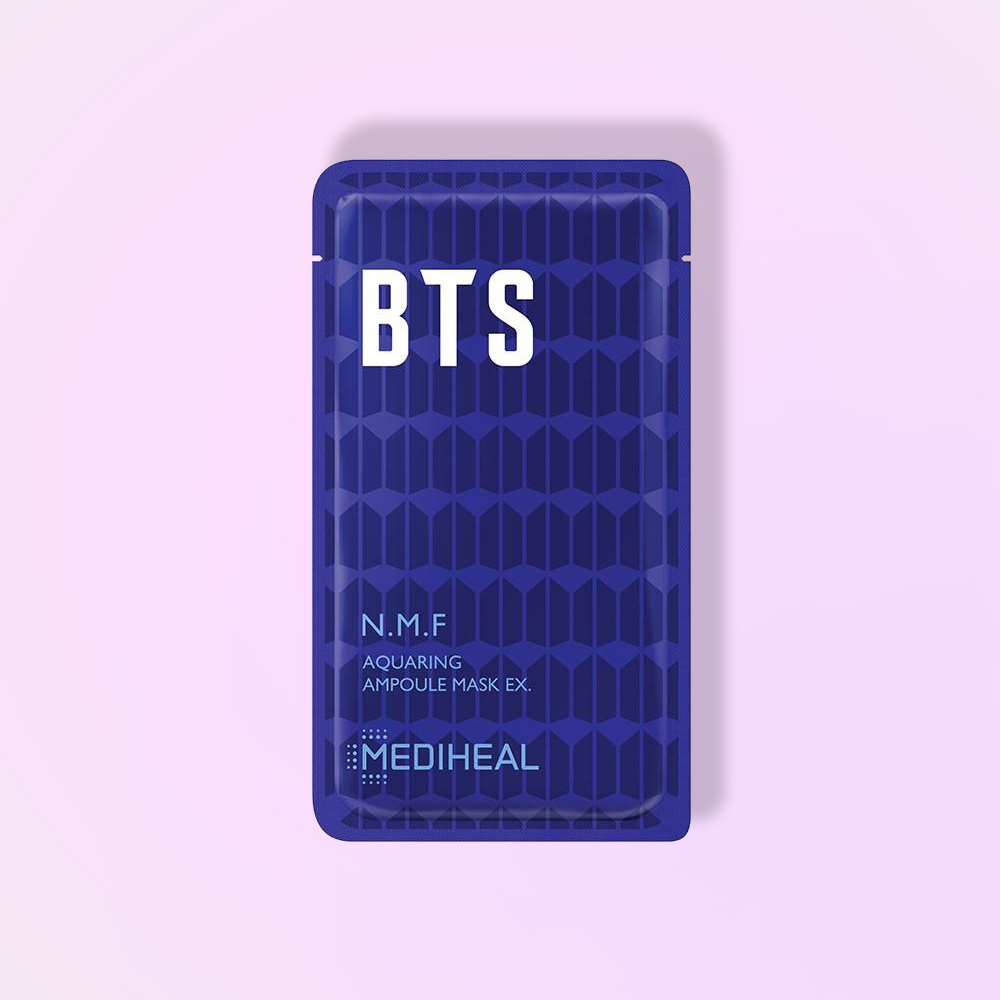


Masks in South Africa: the easiest way to reset your skin when life (and weather) happens
AI Overview: A mask is one of the fastest ways to make your skin feel better when it’s dry, irritated, dull, or just not behaving. The key is choosing the right type for your goal: sheet masks for quick hydration, wash-off masks for a gentle reset, and sleeping masks for overnight nourishment. This guide breaks masks into four phases so you can pick smartly, use them correctly, and see results without turning your routine into a full-time job.
- Match the mask to the moment: hydration, soothing, brightening, or overnight recovery.
- Timing matters: longer is not always better, especially with sheet masks.
- Consistency beats “panic masking”: 1 to 3 times weekly is usually enough.
- Support the result: moisturiser and SPF keep the benefits going.
Why masks feel like a shortcut (and when they really are)
Let’s be honest: most people don’t reach for a face mask because they feel calm and organised. It’s usually because something is off: your skin looks flat, your cheeks feel tight, or you’ve had a run of late nights and you can see it. Add South African daily life: hot afternoons, aircon, sunscreen, gym sessions, and the odd weather swing that turns your barrier moody. Suddenly, a good mask isn’t a luxury, it’s a practical tool.
But masks only work well when they’re used with intent. Seoul of Tokyo curates Korean and Japanese face mask skin care options that are easy to slot into a step-by-step routine. That matters for “cautious triers” and for people who want structure, not chaos.
Phase 1: Preparation: pick your mask type like a pro
Sheet masks: fast hydration and calming
Sheet masks are the quickest route to that “my skin looks alive again” feeling. They’re also ideal if you’re new to K-beauty and want a low-commitment add-on. If you want variety, try APieu Icing Sweet Bar Sheet Masks Assorted or APieu Milk One-Pack Sheet Masks Assorted for easy rotation.
If redness and irritation are your main issue, Benton Goodbye Redness Centella Sheet Mask fits the “calm first” approach. If you want an option that feels soothing and straightforward, Benton Aloe Soothing Mask is a solid pick. For a more nourishing, comfort-leaning sheet mask, Benton Fermentation Sheet Mask is a good choice when your skin feels depleted.
Sleeping masks: overnight recovery without extra steps
Sleeping masks are for people who want results but don’t want an extra 20-minute ritual. You apply them as the final step at night, and you wake up with softer, more comfortable skin. If your barrier feels stressed, consider A’Pieu Madecassoside Sleeping Mask as a calm, recovery-friendly option.
If you want an overnight “wrap” feel, Medicube Collagen Night Wrapping Mask and Medicube PDRN Pink Caffeine Night Wrapping Mask are strong candidates for that next-morning bounce and comfort effect.
Wash-off masks: a gentle reset
Wash-off masks are useful when you want a “clean slate” feeling without harsh scrubbing. They can help your routine feel more effective because skin is smoother and less congested. A reliable option here is Skinfood Rice Wash Off Mask, especially when dullness and texture are the main complaints.
Overnight masks for glow and nourishment
When you want a visibly nourished look, overnight formulas can do a lot of the heavy lifting. COSRX Full Fit Propolis Honey Overnight Mask is a great option when your skin feels dry, stressed, or just flat. If you want a softer, comfort-first finish, COSRX Ultimate Nourishing Rice Overnight Spa Mask fits that “wake up smoother” brief.
Phase 2: Skills: how to use masks so they don’t backfire
Sheet mask timing: more time isn’t more benefit
Keep sheet masks to 10 to 20 minutes. If you leave them on until they’re dry, you risk the reverse effect: the mask can start pulling moisture back from the skin surface. That’s when people say, “Sheet masks don’t work for me”, when it was really the timing.
After removing the mask, press the remaining essence into your skin. Don’t rinse. Then seal it in with moisturiser if your skin is dry or the weather is harsh.
Sleeping masks: treat them as your final step
A sleeping mask replaces your final moisturiser step for that night, unless your skin is extremely dry. In that case, apply a thin moisturiser layer first, then your sleeping mask on top. The aim is comfort, not a sticky pillowcase situation.
Lip masks: small step, surprisingly big payoff
Chapped lips can make your whole face look tired. COSRX Lip Masks are a simple, low-effort add-on, especially if you’re using actives that can dry the lip line.
Phase 3: Exposure: real-world mask routines for South Africa
Scenario 1: You’re dehydrated from aircon, heat, and sunscreen
Use a sheet mask 1 to 2 times weekly, especially after long days in aircon or after a beach weekend. Then follow with moisturiser. If you want easy, no-thinking options, COSRX Sheet Masks are designed for quick use and consistent results.
Scenario 2: Redness and irritation flare-ups
Go for calming ingredients and keep everything else simple for a few days. Benton Goodbye Redness Centella Sheet Mask is a sensible first choice, followed by a basic moisturiser. Save exfoliating steps for later.
Scenario 3: You want brightening, but you’re cautious
Brightening works best as a routine, not a one-off mask moment. If you’re testing a brightening direction, consider SOME BY MI Yuja Niacin 30 Days Brightening Starter Kit and use a hydrating mask alongside it once weekly. This helps you stay consistent without overloading your skin.
Scenario 4: You want a “next morning” radiance boost
Overnight masks are your friend here. Medicube Deep Peptide Radiance Mask and Medicube PDRN Pink Vita Coating Mask are strong options when you want your skin to look more awake, with minimal effort.
If you’re the “mask on, hair up, chill for 15 minutes” type, you’ll probably enjoy rotating different sheet masks. If you’re not, sleeping masks are the low-effort win that still feels like skincare.
Phase 4: Outcome: build a masking system you’ll actually stick to
A simple weekly masking plan
Most people do best with a small, repeatable schedule:
- 1 to 2x weekly: sheet mask for hydration or soothing.
- 1x weekly (optional): wash-off mask for a gentle reset.
- 1 to 3x weekly (as needed): sleeping mask for overnight recovery.
If you’re shopping broadly, start with the category and then narrow by goal: good facial masks live together so you can compare textures, formats, and intended outcomes.
Comparison table: Seoul of Tokyo’s curated approach vs typical alternatives
| What you’re comparing | Seoul of Tokyo approach | Traditional alternatives |
|---|---|---|
| Mask selection | Routine-focused range of full face masks, wash-off, and overnight options in one place | Often limited formats or trend-led picks without routine guidance |
| Support for cautious triers | Easy add-ons like COSRX Sheet Masks and low-effort sleeping masks | May require more trial-and-error across retailers |
| Routine consistency | Masking options designed to slot into step-by-step regimens | Often “one-off” usage that doesn’t connect to a system |
| Access in South Africa | Online shopping built for nationwide delivery | In-store availability varies by area and stock |
Contact Seoul of Tokyo
Business name: Seoul of Tokyo
Website: https://seouloftokyo.co.za/
Service area: South Africa (nationwide delivery)
Email: seouloftokyosa@gmail.com
Address: 21 Scott St, Waverley, Johannesburg, Gauteng, 2090, South Africa
Note on “disposable masks” and “full face masks” in skincare context
In skincare, “disposable masks” often refers to single-use sheet masks, and “full face masks” refers to face-covering sheet or treatment masks (not protective medical gear). If you’re shopping for skincare, stay focused on ingredients, fit, and your skin goal.