
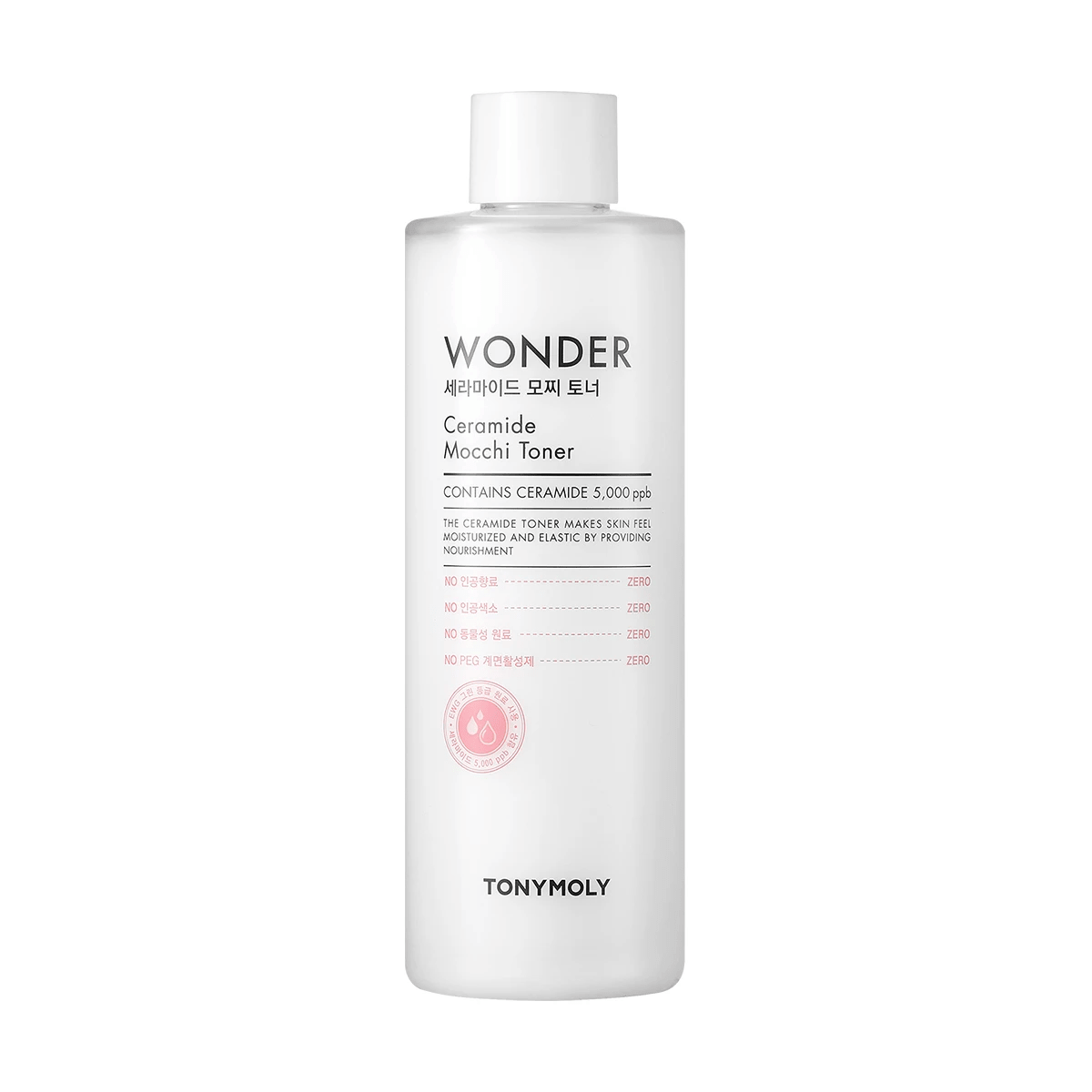
Short answer: no, a toner will not lighten your natural skin tone, and no honest skincare brand should claim it does. What the right toner can do is brighten and even out your complexion by fading dark spots and boosting radiance, using proven actives like niacinamide, vitamin C and tranexamic acid. There is an important difference between lightening (changing your natural colour) and brightening (fading excess pigment and dullness), and this guide explains it clearly.
If you have been scanning the toners and mists aisle hoping for a shortcut to brighter skin, here is what actually works, what to look for on the label, and how to use it in a South African climate where sun exposure drives most pigmentation.
Brightening vs Lightening: The Difference That Matters
Lightening means reducing your skin’s natural melanin to change your base tone. That is not what a cosmetic toner does, and products promising it should be treated with caution.
Brightening means fading the excess pigment that sits on top of your natural tone: post-inflammatory marks from breakouts, sun spots, and general dullness from dead-cell buildup. A well-formulated toner supports brightening by delivering active ingredients and gently refining the surface. Your underlying complexion stays yours; it just looks clearer, more even and more radiant.
So when a toner is described as brightening, it is targeting unevenness and dullness, not bleaching your skin. That is the honest, accurate framing, and it is also the realistic one.
What a Toner Actually Does in Your Routine
A toner is a lightweight, water-based step used after cleansing. Its real jobs are practical rather than magical:
- Removes residue left behind by your cleanser, so the rest of your routine works on genuinely clean skin.
- Rebalances pH after cleansing, returning skin to its slightly acidic, healthy state.
- Adds a first layer of hydration, which plumps the skin and immediately reduces dullness.
- Preps skin to absorb the serums and moisturisers that follow, so their active ingredients penetrate better.
- Delivers actives where the formula includes brightening ingredients, giving a head start before your serum.
None of these lighten your skin tone. What they do is create the conditions for a clearer, brighter, healthier-looking complexion over time. Browse the full toners and mists range to see the options.

Brightening Ingredients to Look for in a Toner
If an even, radiant complexion is the goal, the ingredient list matters far more than the word “brightening” on the front of the bottle. These are the actives with real evidence behind them, each of which has its own collection at Seoul of Tokyo.
Niacinamide (vitamin B3) is the gentlest and most versatile brightener. It fades dark spots by limiting pigment transfer to skin cells, regulates oil, and strengthens the barrier. It suits almost every skin type. Explore niacinamide skincare.
Vitamin C is the antioxidant brightening champion. It inhibits melanin production, fades sun-induced dullness, and protects against daily free-radical damage. Browse vitamin C skincare.
Glutathione reduces excess melanin for a more even tone (without altering natural colour) and adds antioxidant defence. See the glutathione collection.
Tranexamic acid is the specialist for stubborn pigmentation and melasma, working on a pathway other brighteners do not reach. Browse tranexamic acid skincare.
Gentle exfoliating acids such as glycolic and lactic acid (AHAs) refine the surface and reveal brighter skin underneath. For dedicated options, see the exfoliators collection.
A single toner will not contain all of these, and it does not need to. Pick the one active that matches your main concern, then build the rest of your routine around it.
Why Sun Protection Decides Whether Any of This Works
This is the part most brightening guides skip, and in South Africa it is the most important part. UV exposure is the single biggest driver of pigmentation and dark spots, and our UV index sits among the highest in the world for much of the year.
Using a brightening toner while skipping daily sunscreen is self-defeating. New sun exposure creates fresh pigment faster than any active can fade the old. Daily broad-spectrum SPF 30 or higher, ideally SPF 50, is non-negotiable if an even tone is the goal. Pair any brightening routine with the sun protection range.

How to Use a Brightening Toner
Toner goes on immediately after cleansing, on slightly damp skin, before serums and moisturiser. Press it in gently with clean palms or a soft cotton pad rather than rubbing.
- Cleanse
- Toner (pressed into damp skin)
- Treatment serum (vitamin C in the morning, other actives as suited)
- Moisturiser
- Broad-spectrum SPF 30+ every morning
Give it time. Brightening is gradual: expect to see a more even, radiant complexion over 8 to 12 weeks of consistent use, not overnight. Introduce one new active at a time so your skin can adjust, and stop if persistent irritation appears.
The Honest Conclusion
Does toner lighten skin? No, and be wary of any product that promises it will. Does the right toner help you achieve a brighter, clearer, more even complexion? Absolutely, when it contains proven actives and sits inside a routine that includes daily sun protection. Start by matching a toner to your main concern, browse the toners and mists collection, and pair it with SPF. Free delivery applies on Seoul of Tokyo orders over R1,050.
Frequently Asked Questions
Does toner lighten your skin?
No, toner does not lighten your natural skin tone. Certain toners can brighten and even out your complexion by fading dark spots and dullness, using actives like niacinamide, vitamin C, glutathione and tranexamic acid. These target excess pigment sitting on top of your natural tone rather than changing your base skin colour.
What is the difference between brightening and lightening skin?
Lightening reduces your skin’s natural melanin to change your base tone. Brightening fades the excess pigment and dullness that sit on top of it, such as sun spots, post-acne marks and dead-cell buildup. Cosmetic toners support brightening, not lightening. Your natural complexion stays the same; it simply looks clearer and more even.
Which toner ingredients help brighten skin?
Look for niacinamide, vitamin C, glutathione and tranexamic acid, all of which fade pigmentation through different mechanisms, plus gentle exfoliating acids like glycolic and lactic acid that refine the surface. The ingredient list matters more than the word brightening on the label. Match one active to your main concern rather than chasing all of them at once.
Can I use a brightening toner every day?
Yes, most brightening toners are gentle enough for daily use, ideally in the morning after cleansing as the second step of your routine. Introduce it slowly if your skin is sensitive, and always follow with broad-spectrum SPF, since sun exposure undoes brightening progress faster than any toner can deliver it.
Do brightening toners have side effects?
They can. Toners high in alcohol may cause dryness, and some active or exfoliating formulas can irritate sensitive skin, especially if overused. Introduce one active at a time, patch-test if your skin is reactive, and reduce frequency if you notice persistent redness or stinging. A gentle, barrier-supporting formula suits most people best.
Why is sunscreen essential when using a brightening toner?
UV exposure is the main cause of pigmentation and dark spots, and South Africa’s UV index is among the world’s highest. Using a brightening toner without daily sunscreen means new pigment forms faster than the toner can fade existing marks. Daily broad-spectrum SPF 30 or higher is essential for any brightening routine to work.

Other Skincare Tips for Toner Usage
When we talk about our skincare routine, toners play an essential role, don’t they? But let’s be honest, navigating through the sea of toners at Seoul of Tokyo can feel like trying to find a specific leaf in a forest. It’s overwhelming, to say the least. Have you ever found yourself staring blankly at their Toners and Mists page, feeling like you’re reading a menu in a foreign language? Well, you’re not alone.
Remember the time when you thought ‘toner’ was just another word for a printer cartridge? (We sure do!). Fast forward to today, and it’s an irreplaceable step in our skincare routine. But here’s the catch – just splashing your face with any toner and hoping for the best isn’t going to cut it.
Firstly, understand your skin type. Is it as thirsty as we are on a Friday night? Or maybe it’s more on the oily side, like a slice of delicious pizza. Matching your skin type with the right toner can make a world of difference. For oily skin, something with a bit of witch hazel might do wonders, whereas dry skin screams for hydration – think hyaluronic acid.
Imagine using a toner for the first time and expecting instant clarity, like the skies parting after a storm, but instead, your skin feels like it’s in the middle of a desert. It’s crucial to give it time. Picture this: You wouldn’t expect to marry someone on the first date, right? Skin products are a relationship – it takes time to see if it’s the right match.
Let’s talk about the application. Gone are the days of harshly rubbing our faces as if we were trying to scrub away our sins. A gentle pat or a soft cotton pad does the trick. Envision treating your face like a delicate flower, nurturing it with love and care.
Conclusion
We’ve explored the nuanced world of toners and their role in our skincare routines. Remember, choosing the right toner for your skin type is crucial for achieving the desired results. It’s not just about lightening the skin but enhancing its overall health and appearance. Patience and consistency are key—as with any skincare product, giving it time to work its magic is essential. And when applying, always opt for a gentle touch. With these tips in mind, we’re confident you’ll make the most out of your toner and step closer to your skincare goals.
Frequently Asked Questions
Does toner whiten your skin?
Toner can make your skin appear fresher, smoother, and brighter by reducing the appearance of pores and preventing breakouts. Whitening toners specifically contain ingredients aimed at lightening the skin.
Does toner lighten or darken?
Primarily, toner neutralizes the undertones of hair colour, rather than changing its colour. It is particularly beneficial for blonde hair to adjust the shade of blonde, without lightening or darkening the hair.
Can I use a brightening toner every day?
Yes, for optimal results, incorporate a brightening toner into your daily morning skincare routine as the second step, immediately after cleansing your face.
Which toner is best for skin whitening?
The top picks for skin whitening toners are It’s Skin, Juice to Cleanse, Klairs, Missha, PEPPLUS, Raraskin, Real Barrier, and Skinfood, each known for their effective formulas.
Does toner help complexion?
Absolutely, toners not only cleanse but replenish and nourish the skin with essential nutrients often stripped away by cleansers. The result is a more balanced, softer, and smoother complexion, possibly reducing issues like redness.