
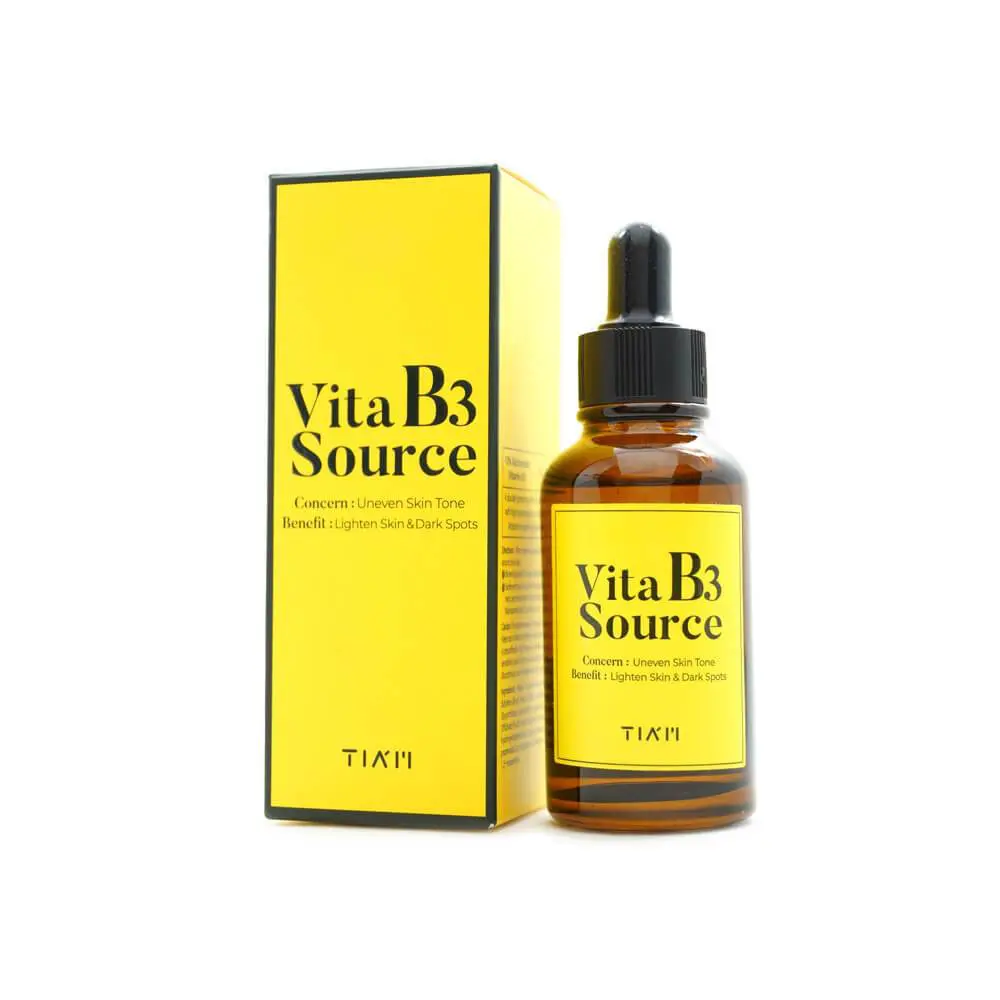
Niacinamide serum is a form of vitamin B3 that calms inflammation, regulates oil production, strengthens the skin’s barrier, and gradually fades dark spots and uneven tone. It suits nearly every skin type, works well alongside most other actives, and typically shows visible results within four to eight weeks of consistent use.
That’s the short version. Below is what actually happens on your skin when you use it, how to fit it into a routine, and what to realistically expect.
The Core Benefits, Explained Plainly

Oil regulation. Niacinamide helps normalise how much sebum your skin produces. For oily or combination skin, this often means less midday shine without stripping the skin the way some acne treatments do.
Barrier support. It boosts the skin’s own ceramide production, the fats that hold moisture in and keep irritants out. A stronger barrier means less sensitivity, less redness, and better tolerance of other actives in your routine.
Pigmentation and tone. Niacinamide interrupts how pigment transfers to the surface of the skin, which is why it’s widely used for dark spots, post-acne marks, and general unevenness. It works differently to something like kojic acid or vitamin C, which target pigment production itself, so the two pair well together. Our niacinamide range includes options formulated specifically for pigmentation concerns if that’s your main focus.
Pore appearance. By regulating oil and supporting the barrier, pores often appear smaller over time, less a change in actual pore size, more a reduction in the oil and congestion that make them look larger.
Fine lines and texture. With consistent use, niacinamide supports collagen production, which can soften the look of fine lines and improve overall skin texture.
How to Use Niacinamide Serum

Apply after cleansing and toning, before moisturiser. It layers well with almost everything, including retinol, vitamin C (the old advice that they cancel each other out has been disproven), and hydrating acids like hyaluronic acid.
Most people can use it twice daily, morning and evening. If you’re new to actives or have reactive skin, start with evenings only for the first one to two weeks.
Concentration matters. Most well-formulated serums sit between 4% and 10%. Higher isn’t automatically better, above 10% can cause irritation in some people without added benefit. The niacinamide serums we stock span this range, so there’s a suitable strength whether you’re just starting out or building up tolerance.
What Results to Expect, and When

2 to 4 weeks: less visible oiliness, calmer overall look, some early improvement in texture.
4 to 8 weeks: visible reduction in dark spots and post-acne marks for most users.
8 to 12 weeks and beyond: continued improvement in tone evenness and fine lines, with results holding as long as use continues.
Niacinamide works gradually. It’s not an overnight fix, but it’s also one of the most consistent, well-tolerated actives available, which is why it’s a staple across most Korean and Japanese skincare routines.
Frequently Asked Questions
What should be avoided when using niacinamide serum?
Avoid combining niacinamide with strong exfoliating acids like salicylic acid and glycolic acid, as it can increase skin sensitivity. People allergic to niacinamide should also steer clear to prevent adverse reactions.
How can one tell if niacinamide serum is effective?
Signs of effective niacinamide use include improved acne and reduced hyperpigmentation within 2-3 months, better oil regulation, and enhanced skin barrier function within a month. A lack of improvement after four months may indicate the need for a stronger formulation.
Is daily application of niacinamide serum recommended?
Yes, it is encouraged to use niacinamide serum twice daily for optimal results. Regular application can lead to significant improvements in skin discolouration, brightness, and overall clarity.
What changes occur in the skin after starting niacinamide serum?
Niacinamide aids in regulating oil production, which is beneficial for oily and combination skin. It can reduce visible pore size by decreasing sebum production and is effective in treating mild acne.
Can niacinamide be mixed with vitamin C?
Yes, niacinamide and vitamin C can be used together in your skincare regimen, either in the morning, evening, or both. This combination enhances the protective benefits of your SPF 30+ sunscreen against environmental damage.